



日本とオランダ:園芸分野における協力
日本とオランダ
園芸分野における協力
オランダは
農産物の巨大な輸出国です。
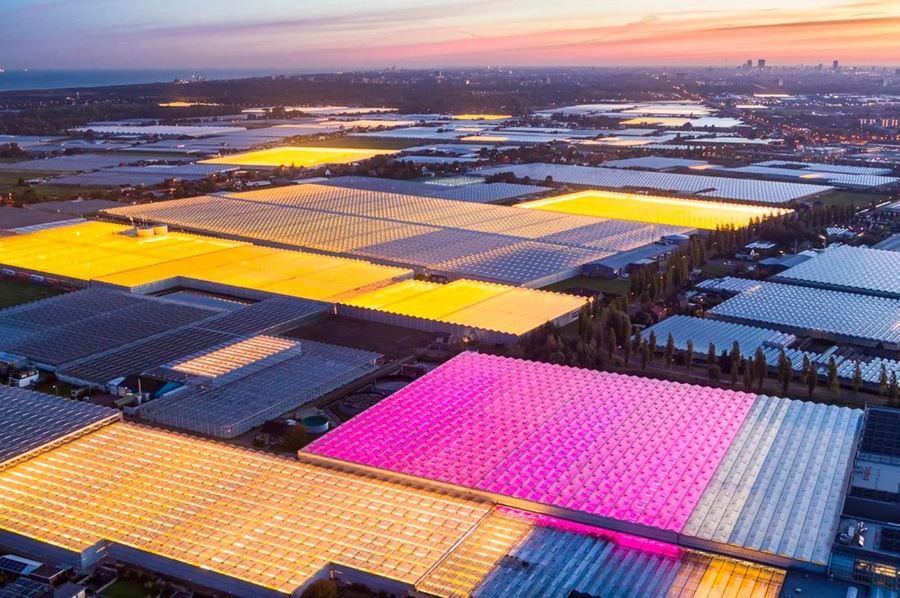
温室で栽培される多くの野菜・果物・植物そして花卉も、海外のバイヤー達によりその国々へ届けられています。またオランダは、管理された環境のもとでの栽培(Controlled Environment Agriculture : 環境制御型農業【注1】)に関する技術そのものを輸出することにも力を入れています。
過去数十年にわたり、オランダの園芸産業はさまざまな社会課題に対する技術的ソリューションを提供する分野において、また気候に配慮した食料生産の分野において、世界的な主たるプレイヤーへと成長してきました。現在の日本のパートナーとの協力関係は非常に多岐にわたっています。
世界的な人口の増加、気候変動、健康的でなおかつ地産地消型の食料生産への需要、そして労働力の不足は、環境制御型農業への大きな流れを引き起こしています。
各国の現地パートナーとの協力を通じて、オランダは新たに得ることが出来た知見を海外市場で活用し、農村地域における持続可能性や再活性化、あるいは都市部における消費者近接型の食料生産に貢献することができるようになりました。
環境制御型農業とは、水の使用量を抑え、農薬の使用を減らし、そして何より異常気象によって一度に全ての収穫を失ってしまうかもしれないリスクを大幅に低減することが出来る栽培方法です。
これにより、この分野はオランダにとって戦略的価値を持ち、日本を含む各国と持続可能な食料生産に向けた強固なパートナーシップを構築することが可能になります。
なぜ制御環境農業なのか
園芸技術における市場の可能性は、人口の増加、食料システム、気候変動をめぐる世界的な動向により非常に大きくなっています。次世代型園芸【注2】が、これらの課題に対する解決策を提示することが出来るのです。
1. 食料安全保障と地政学
世界的な人口の増加、都市化への進行、地政学的な緊張の高まりなどにより、地元で生産される地産地消、高品質な植物由来の生鮮食品への需要が増加しています。
自立的な食料生産の戦略的重要性は世界的に高まっています。その一環として、保護され管理された環境の下での栽培(環境制御型農業)が注目されています。
制御された環境では生産者が作物にとって最適な気候条件を作り出すことが可能です。これにより環境への影響を抑えながら、より小さな表面積でより高い収穫量を得ることが出来るようになります。新たな植物品種もこうした成果に貢献しています。
2. 気候変動への適応/作物
気候変動の影響はますます深刻化しています。世界各地で極端な気温の上昇、干ばつがあり、豪雨の期間も⾧期化しています。気候条件に左右されずに機能する栽培システムや、極端な気象条件下でも最適に生育することができる植物品種へのニーズが高まっています。
3. 持続可能な地域エコシステム
地域の生態系を保護することは、人々とその環境の暮らしや健康を守ることにとって不可欠な要素です。
水とエネルギー効率に優れた循環型生産システムや再生可能エネルギーの活用は、環境への排出を最小限に抑えるために必要です。
生物農薬【注3】の活用により、化学農薬の使用は抑制することが出来ます。最新のハイテク温室では水や養分の排出はほぼゼロです。次世代型園芸は農村地域の再活性化にも大きく貢献し、これから参入するであろう若い世代にとっても魅力のある食料生産システムの実現を可能にしてくれます。
オランダ政府および園芸業界は、品種改良からハイテク生産システムに至るまであらゆる技術開発の加速に向けて多額の投資を行っています。革新的な園芸セクターが持つ経済による力強さ、そして社会課題に対しての解決策により、園芸技術はオランダにとって戦略的な優先すべき分野となっています。
オランダの園芸産業は、技術革新と強い起業家精神を特徴としています。生産量、付加価値、輸出、雇用創出、そして研究開発への投資など、すべてにおいて毎年成⾧を続ける健全な産業です。
園芸関連企業達は、オランダ全体の研究開発費の約 5%を占めています。
野菜、果物、花卉、種苗、園芸技術、ならびに関連する供給・物流サービスを含むサプライチェーン全体は、直接的にも間接的にもオランダ経済へ大きく貢献しています。
このオランダ経済への貢献とは、まず第一にこの分野における生産物そのものによるものです。
オランダの園芸産業は、北欧および西欧向けの新鮮な野菜、果物、花卉製品の主要供給国であり、欧州域外の国々にも供給しています。園芸製品の輸出額は 240 億ユーロを超え、さらに増加傾向にあります。
このように、この分野はヨーロッパの食料供給、健康、そして福祉に大きく貢献しています。これにより、欧州の食料供給の自立性、健康、福祉に重要な役割を果たしています。
オランダは歴史的に、花卉製品の国際取引のハブとして機能してきました。この役割は、オランダの花卉産業によって開発された世界規模のデジタル取引プラットフォーム【注4】を通じてさらに発展しています。
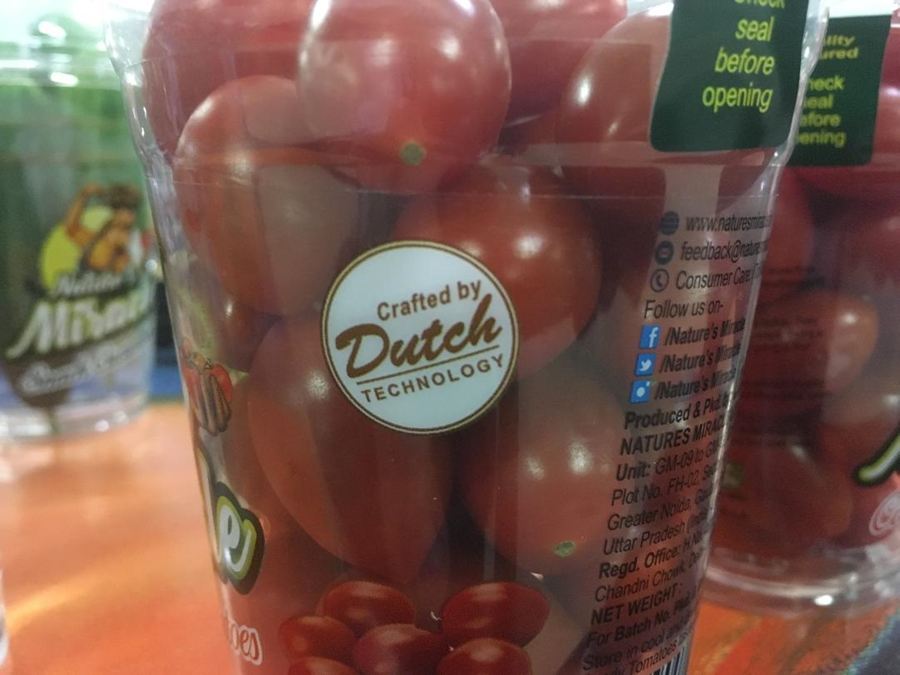
昨年オランダはトマトだけで 12 億ユーロ相当を輸出しました。しかしオランダ産トマトを世界中に輸出することが目的ではありません。より持続可能なのは、オランダの種子や技術を活用し、各国の生産者が自国でオランダと同等の高品質な作物を生産できるようにすることです。これは日本においても同様です。
世界的に見ると、育種、植物の種子、園芸技術が特に重要となっています。
オランダの種子は、その品質の高さからほぼ世界中の国々で使用されています。オランダが世界最大の野菜種子輸出国であることは偶然ではありません。園芸および農業用種子の世界貿易の約40%がオランダ産です。種芋ではこの割合は約 50%に達します。温室資材などの園芸技術の輸出額も増加しています。園芸バリューチェーン全体の輸出総額は、約 300 億ユーロにのぼるのです。
日本とオランダの協力
日本は園芸分野におけるオランダの重要なパートナーであり、今後さらに関係を拡大できる可能性がある国です。特に需要なのは、地域に根差した生産体制の強化です。これは農村地域の新たなる活性化への多くの機会をもたらします。
2025年大阪万博への出展では、園芸分野におけるパートナーシップに特に重点を置きました。
日本で消費される野菜の約 20%、果物の約 60%は輸入に依存しています。2008 年から 2022 年にかけて、野菜の輸入比率は 18%から 21%へ、果物は 59%から 62%へと上昇しました。一方円安や食料安全保障の必要性により、国内生産の重要性が高まっています。
パプリカ(輸入比率 78%)、ショウガ(輸入比率65%)、アスパラガス(輸入比率20%)などの作物は国内生産拡大のために温室で栽培されています。
これらの作物を生産するためには、価格および品質の両面で海外の生産者と競争する必要があります。そのためには、オランダなどから提供される先進的な施設、技術、資材の導入が不可欠です。
オランダの園芸クラスター【注5】は、クラスター内外の企業家や研究機関と連携しながら開発し応用し最適化される技術の分野において、世界をリードしています。
オランダと日本は関連する技術開発において共に先進国であり、パートナーシップを結ぶ機会を共に有しています。
国際的な価値創出において重要となる主要技術は、以下の 4 分野です。
1. AIおよびデータサイエンス
種子から消費者に至る園芸バリューチェーン【注6】のあらゆる段階において、遺伝子解析、機械学習、温室での自律栽培、デジタル取引プラットフォーム、サプライチェーンの透明性、パーソナライズドされた栄養管理などに AI とデータサイエンスが活用されています。
2. バイオ分子・細胞技術
これらの技術は、病害虫に強く気候変動に適応した将来の作物を育種するための高度なゲノム編集技術【注7】の開発に用いられています。PlantXR【注8】や CropXR【注9】といった成⾧基金プロジェクトを通じて新たな知見への投資が行われています。これには、QTL 解析【注10】、ゲノム予測【注11】、(パン)ゲノミクス【注12】、種や品種の表現型と遺伝子型およびその他のオミクスデータ【注13】との関係を識別するための組み換え予測【注14】。これらの技術が含まれています。
3. ロボットおよび光学システム
先進国では、労働力不足への対応の為の自動化、人件費の削減、繰り返し行う作業への代替、そしてリソースを抑えながら効率的な生産管理を目的としたロボット化・自動化への需要が高まっています。
オランダの園芸セクターはNXTGENハイテク【注15】という成長基金プロジェクトに参画しています。
4. イメージングおよびセンシング
これらの技術は、遺伝資源バンク材料の表現型解析、育種過程における植物の特性の把握、果実や花の品質を非破壊の方法で評価する技術、作物病害の迅速かつ高精度な検出などに活用されています。
日本の農業市場は、多数の小規模経営体に支えられた伝統的な生産システムからより先進的かつ大規模なシステム(体制)へと移行しています。新たな法制度の整備のもと異業種からの参入も進んでいます。アグロバレー【注16】や施設園芸クラスターといった取り組みも活発化しています。
先端技術を基盤とする生産企業への関心は高まっており、こうした技術やサービスを提供するオランダ企業との協業には大きな可能性を秘めています。従来型の農業手法や現場主義の運営方法では管理面や運営面の課題を解決できないケースも多く、先進的な農家であっても対応が難しくなっています。そのため、日本の農家は国内外から先進的な情報を積極的に収集しています。
世界最高水準の農業技術で知られるオランダは、重要な供給国として高く評価されています。すでにオランダのサービスを利用し、高い満足感を得ている日本の農家も存在します。また、日本の農業企業がオランダ企業と提携し国内で競争力のあるサービスを提供したり、大規模かつ高品質な温室を建設したりする事例もあります。
これらの成功事例は、その大きな可能性を示しています。
オランダの園芸技術および日本との協力について、さらに詳しく知りたい方は、こうした協力を推進する非営利団体 Dutch Greenhouse Delta までご連絡ください。
連絡先 : frederik.vossenaar@dutchgreenhousedelta.com
日本語でのお問い合わせも可能です。

ダッチ・グリーンハウス・デルタ
エグゼクティブアドバイザー
フレデリック・フォッセナー氏
【脚注】
注1)環境制御型農業(CEA):
温室や植物工場のような施設の中で、温度や光、水分、二酸化炭素濃度などをセンサーで計測し調整しながらコンピュータ制御によって作物を育てる農業の方法。天候に左右されにくく安定して作物を生産することが出来る。
注2)次世代型園芸:
AI や自動化の技術、最新の育種技術なども取り入れ、少ない資源で効率よく環境にも配慮して作物を育てる新しい園芸の形。
注3)生物農薬:
害虫を農薬で駆除するのではなく、害虫を食べる昆虫などを放つという天敵昆虫や微生物(菌・ウィルス)を利用するなど、自然の力を利用して被害を抑える方法。環境負荷の低い持続可能な農業を目指すことが出来る。
注4)デジタル取引プラットフォーム:
インターネット上で、生産者と買い手が花や野菜などを売買できる仕組み。取引や物流を効率化することができる。
注5)園芸クラスター:
園芸に関わる企業、農家、研究機関、大学などが集まり協力しながら技術開発や事業を進める地域やそのネットワーク。地域: 世界最大のガラス温室集積地(ウエストランド)。
注6)園芸バリューチェーン:
種や苗の開発から、栽培、収穫、流通、販売、消費まで、園芸に関わる一連の流れ。
*バリューチェーンの核:5つのステージ
オランダの園芸は、単なる栽培ではなく、以下のプロセスがシームレスにつながっています。
研究・育成(Seeds/Research)、インプット・技術(Inputs/Tech)、栽培・生産(Production)、物流・加工(Logistics/Processing)、マーケティング・輸出(Marketing/Export)
注7)ゲノム編集技術:
植物の遺伝情報を部分的に調整し、病気に強い、育てやすいなどの特性を持つ作物を効率よく開発する技術。
注8)PlantXR:
PlantXRコンソーシアムは、4つの研究機関と29のパートナーと共に、極めて耐性のある作物の研究協力を目指しています。持続可能な農業は、この惑星における私たちの未来の基盤です。その重要な礎となるのが、悪条件や変動する環境、植物病害に直面しても生産性を維持できる耐性作物の活用です。 【詳しくはこちら】
注9)CropXR:
「変化する世界ですべての人のために持続可能な食料を栽培する。」を使命に掲げた、科学者と産業パートナーで構成されるコンソーシアム。https://cropxr.org/
注10)QTL 解析:
連続的な形質の遺伝的メカニズムを解明し、より精密な品種改良を可能にする重要な生物学的研究手法。量的形質遺伝子座解析。
注11)ゲノム予測:
農作物のDNA情報(ゲノムデータ)と実際の形質(味、収量、栄養成分など)のデータを組み合わせその遺伝子の情報をもとにAI技術等を用いて、幼苗の段階でその作物がどのように育つかを事前に予測する技術。
注12)(パン)ゲノミクス:
1つの種における複数の個体や系統からゲノム情報を収集し、全遺伝的な多様性(パンゲノム)を解析する研究。
注13)オミクスデータ:
遺伝子やタンパク質など生物の体内情報をまとめて集めたデータ群の総称。
注14)組換え予測:
育種の過程で遺伝子がどのように組み合わさるかを予測し効率よく新しい品種を作るための技術。
注15)NXTGENハイテク:
エネルギー、医療、食料はどの社会課題に対応し、オランダの国際競争力を維持するために、半導体やエネルギー、バイオ医療、レーザー衛星通信、農業・食品ロボティクスなどの分野で高度なハイテク機器と生産技術の研究・革新を推進するプログラム。
注16)アグロバレー:
農業や食に関する研究、技術開発、企業活動が集まる拠点や取り組み。日本では先端農業を推進する地域を指すことが多い。
Japan and the Netherlands: Collaborating in Horticulture
The Netherlands is a huge exporter of agricultural products. Plenty of vegetables, fruits, plants, and flowers from greenhouses find their way to foreign buyers. But the Netherlands is also committed to exporting the technology associated with cultivation in protected, controlled conditions elsewhere (Controlled Environment Agriculture). In recent decades, Dutch horticulture has developed into a major global player when it comes to technological solutions for various societal challenges and climate-smart food production. Collaboration with Japanese partners is possible in many ways.
Global population growth, climate change, the demand for healthy local food production, and labor shortages give tailwind to Controlled Environment Agriculture. By collaborating with local partners, the Netherlands can leverage newly developed knowledge in foreign markets and contribute to the sustainability and revitalization of rural areas, or urban food production close to the consumer. Controlled Environment Agriculture means growing with less water, fewer pesticides, and, above all, with less fear that extreme weather conditions will destroy the entire harvest in one fell swoop. This gives the sector strategic value for the Netherlands, and allows us to create strong partnerships for sustainable food production, including with stakeholders from Japan.
Why Controlled Environment Agriculture?
The market potential for horticultural technology is significant due to global developments in population growth, food systems, and climate. Next-generation horticulture can offer a solution:
1. Food security and geopolitics
The growing world population, increasing urbanization, and geopolitical tensions are creating a growing demand for locally produced, high-quality fresh plant-based products. The strategic importance of autonomous food production is increasing worldwide, partly through cultivation in protected, controlled conditions (controlled environmental agriculture). In a controlled environment, growers can create the optimal climate for their crops. This allows them to achieve higher yields on a smaller surface area with a lower environmental impact. New plant varieties can also contribute to this success.
2. Climate adaptation/crops
The impact of climate change is increasing. Worldwide, there are increasingly longer periods of extreme heat, drought, and precipitation. There is a great need for cultivation systems that function well regardless of climatic conditions and for plants that grow well under extreme weather conditions.
3. Sustainable, local ecosystems
Protecting local ecosystems is important for the viability and health of people and their environment. Water- and energy-efficient circular production systems and the use of sustainable energy are necessary to minimize environmental emissions. The use of biological crop protection reduces the use of chemical pesticides. Modern high-tech greenhouses have virtually no water and nutrient emissions. Next-generation horticulture also contributes greatly to revitalizing rural areas, and makes food production attractive to the younger generation
The Dutch government and the horticultural industry are investing heavily in accelerating the development of all kinds of technology, from crop breeding to high-tech production systems. The economic strength of an innovative horticultural sector, and the solutions that the sector can bring to societal challenges, make horticultural technology a strategic priority for the Netherlands.
Horticulture is characterized by technological innovations and strong entrepreneurship. It is an economically healthy sector that demonstrates annual growth in production, added value, exports, job creation, and R&D expenditure. Horticultural companies account for approximately 5% of all Dutch R&D expenditure. The entire supply chain—from vegetables, fruit, ornamental plants, propagation materials, and horticultural technology, including supply and logistics services—contributes significantly, both directly and indirectly, to the Dutch economy.
This is primarily due to the production of the sector. Dutch horticulture is the leading supplier of fresh vegetables, fruit, and ornamental products for (Northern and Western) Europe and also supplies countries beyond its borders. Dutch exports of horticultural products exceed €24 billion and are growing in value. The sector thus makes a significant contribution to the European food supply, to health, and well-being. The Netherlands has traditionally served as a hub for the international trade in ornamental plants. This is being further developed through a global, digital trading platform developed by the Dutch ornamental plant sector.
Last year, the Netherlands exported €1.2 billion worth of tomatoes alone. However, it is certainly not our ambition to bring Dutch tomatoes to every corner of the world. It is our ambition to enable local growers to produce the same top quality vegetables, using Dutch seed stock and technology, including in Japan. Globally, breeding plant-based seed stock, and horticultural technology are therefore particularly important. Dutch seed stock finds its way to almost every country in the world based on its quality for users. It’s no coincidence that the Netherlands is the world’s largest exporter of vegetable seeds; almost 40% of the global trade in seeds for horticulture and arable farming comes from the Netherlands. For seed potatoes, this share is approximately 50%. The export value of horticultural technology, such as greenhouse materials, is also increasing. All in all, the entire horticultural chain has a total export value of almost 30 billion euros.
The Netherlands and Japan together
Japan is an important partner of the Netherlands in the field of horticulture, and it could be even greater. We aim primarily at strengthening local production. This also offers many opportunities for revitalizing rural areas. Our presence at the Osaka Expo in 2025 paid special attention to partnerships in horticulture. Approximately 20% of the vegetables and 60% of the fruit consumed in Japan are imported. From 2008 to 2022, the import ratio for vegetables rose from 18% to 21% and for fruit from 59% to 62%. Conversely, factors such as the depreciation of the yen and the need for food security have increased the importance of domestic production. Certain crops, such as bell peppers (78% import ratio), ginger (65%), and asparagus (20%), are grown in greenhouses to increase domestic production. To grow these products, it is essential to compete with foreign producers on price and quality. This requires the use of advanced facilities, technologies, and materials from countries such as the Netherlands. The horticultural cluster is a leader in the development and application of technology that is developed, applied, and optimized by entrepreneurs and knowledge institutions from both within and outside the cluster. Both the Netherlands and Japan are advanced countries when it comes to some relevant technology developments, offering opportunity for partnerships.
These are the four most important technologies for international value creation:
1. Artificial Intelligence and Data Science
In all parts of the horticultural chain, from starting materials to consumers, Artificial Intelligence and data science are important for, for example, for genetic analysis, machine learning, autonomous cultivation in greenhouses, digital trading platforms, supply chain transparency, and personalized nutrition.
2. Biomolecular and Cell Technologies
These technologies are being used to develop improved genome-editing tools for breeding the crops of the future, resistant to diseases and pests and adapted to changing climate conditions. Other technologies included in this category include genetic analyses such as QTL identification, genomic prediction, (pan)genomics, and recombination prediction for identifying relationships between phenotype and genotype and other -omics data of species and varieties.
3. Robots and optical systems
In developed countries, there is high demand for robotization and automation to combat labor shortages, reduce labor costs, replace repetitive tasks, and simultaneously manage production more effectively while using fewer resources.
4. Imaging and sensing
Imaging and sensing technologies are being used in Dutch horticulture for phenotyping gene bank material, determining plant traits during the breeding process, non-destructively detecting fruit or flower quality, and faster and more accurate disease detection in crops.
The Japanese agricultural market is transitioning from a traditional production system dominated by numerous small-scale businesses to a more advanced and large-scale approach. Facilitated by new legislation, more and more companies are entering the sector. Initiatives such as agrovalleys and greenhouse horticulture clusters are being established. There is growing interest in production companies based on advanced technologies, offering significant opportunities for collaboration with Dutch companies offering such technology and services. Traditional farming methods and on-site operations are inadequate, leaving many farmers, even progressive ones, unable to solve their management and operational challenges. Consequently, Japanese farmers are actively seeking advanced information from both domestic and international sources. The Netherlands, known for its world-class agricultural technology, is highly regarded as a key supplier. Some Japanese farmers already use Dutch services and are very satisfied. Furthermore, there are examples of Japanese agricultural companies that have partnered with Dutch companies to provide competitive services domestically and build large-scale, high-quality greenhouses. These success stories highlight the potential.
Would you like to learn more about Dutch horticultural technology and collaboration with Japan? Send a message to Dutch Greenhouse Delta, a non-profit organization promoting this collaboration, at
frederik.vossenaar@dutchgreenhousedelta.com
You can do so in Japanese!
Japan en Nederland: samenwerken in tuinbouw
Nederland is een formidabele exporteur van landbouwproducten. Ook groenten, fruit, planten en bloemen uit kassen vinden hun weg naar buitenlandse afnemers. Maar Nederland legt zich er ook op toe om de technologie te exporteren die samenhangt met het opzetten van teelt in beschermde, gecontroleerde omstandigheden elders (Controlled Environment Agriculture). De Nederlandse tuinbouw heeft zich de afgelopen decennia ontwikkeld tot een wereldspeler van formaat als het gaat om technologische oplossingen voor diverse maatschappelijke uitdagingen. Op veel manieren is er samenwerking met Japanse partners mogelijk.
Wereldwijde bevolkingsgroei, klimaatverandering, vraag naar gezonde lokale voedselproductie en personeelstekorten bieden enorme kansen voor Controlled Environment Agriculture. Dankzij samenwerking met lokale partners kan Nederland op buitenlandse markten nieuw ontwikkelde kennis valoriseren en bijdragen aan verduurzaming en revitalisering van het platteland, of de productie van voedsel in de stad dichtbij de consument. Controlled Environment Agriculture is telen met minder water, met minder pesticiden en vooral ook: met minder angst dat door extreme weersomstandigheden de hele oogst in één klap vernietigd wordt. Hiermee heeft de sector voor Nederland een strategische waarde, en kunnen we sterke partnerschappen creëren voor duurzame voedselproductie, ook in Japan.
Waarom Controlled Environment Agriculture?
De marktpotentie voor de tuinbouwtechnologie is groot door wereldwijde ontwikkelingen rondom bevolkingsgroei, voedselsystemen en klimaat. Slimme technologische oplossingen uit de tuinbouw kunnen een oplossing bieden:
1. Voedselzekerheid en geopolitiek
de groeiende wereldbevolking, de toenemende verstedelijking en geopolitieke spanningen creëren een stijgende vraag naar lokaal geproduceerd en hoogwaardige plantaardige versproducten. Wereldwijd neemt het strategisch belang en de behoefte aan autonome voedselproductie toe, onder andere via de teelt in beschermde, gecontroleerde omstandigheden (controlled environmental agriculture). In een gecontroleerde omgeving kunnen telers het optimale klimaat voor hun gewassen creëren. Daardoor kunnen zij meer opbrengsten realiseren op een klein oppervlak met een lagere milieu-impact. Ook nieuwe plantenrassen kunnen daarbij helpen.
2. Klimaatadaptatie/gewassen
de impact van klimaatverandering wordt steeds groter. Er zijn wereldwijd steeds langere periodes van extreme hitte, droogte en neerslag. Er is grote behoefte aan teeltsystemen die onafhankelijk van de klimaatomstandigheden goed functioneren en planten die optimaal groeien bij extreme weersinvloeden.
3. Duurzame, lokale ecosystemen
het beschermen van de lokale ecosystemen is van belang voor de leefbaarheid en gezondheid van mens en zijn omgeving. Water- en energiezuinige circulaire productiesystemen en inzet van duurzame energie zijn nodig om emissies naar het milieu zoveel mogelijk te beperken. Met de inzet van biologische gewasbescherming wordt het gebruik van chemische middelen beperkt. Moderne high-tech kassen hebben nagenoeg geen emissies van water en nutriënten.
De Nederlandse overheid en het tuinbouwbedrijfsleven investeren fors in een versnelling van de ontwikkeling van allerlei soorten technologie, van de veredeling van gewassen tot high tech productiesystemen. De economische kracht van een innovatieve tuinbouwsector, en de daaraan gekoppelde oplossingen voor maatschappelijke uitdagingen, zorgen dat tuinbouwtechnologie voor Nederland een strategische prioriteit is.
De tuinbouw kenmerkt zich door technologische innovaties en sterk ondernemerschap. Het is een economisch gezonde sector die een jaarlijkse groei laat zien in de productie, toegevoegde waarde, export, het creëren van banen en in R&D-uitgaven. Tuinbouwbedrijven zijn goed voor circa 5% van de gehele Nederlandse R&D-uitgaven. De hele ketenvan groente, fruit, sierteelt, uitgangsmaterialen en tuinbouwtechniek inclusief toeleverende en logistieke diensten, draagt dan ook direct en indirect fors bij aan de Nederlandse economie.
Op de eerste plaats geschiedt dat door de producten die de sector voortbrengt. De Nederlandse tuinbouw is dé vers-leverancier van groente, fruit en sierteeltproducten voor (Noord- en West) Europa en levert ook aan landen daarbuiten. De uitvoerwaarde is ruim 24 miljard euro en groeiend in waarde. De sector levert hiermee een belangrijke bijdrage aan de autonomie van de Europese voedselvoorziening, gezondheid en welbevinden. Nederland fungeert van oudsher als draaischijf voor de internationale handel in sierteeltproducten. De doorontwikkeling hiervan vindt plaats met een mondiaal, digitaal handelsplatform dat ontwikkeld is door de Nederlandse sierteelt.
Nederland exporteerde vorig jaar ter waarde van 1,2 mrd euro alleen al aan tomaten. Het is echter beslist niet onze ambitie om Nederlandse tomaten naar alle uithoeken van de wereld te brengen. Meer duurzaam is het om telers lokaal in staat te stellen met Nederlandse uitgangsmateriaal en technologie eenzelfde topkwaliteit te produceren, ook in Japan. Wereldwijd zijn dan ook vooral de veredeling, plantaardige uitgangsmaterialen en tuinbouwtechniek belangrijk. Nederlands uitgangsmateriaal vindt op basis van kwaliteit voor de gebruikers z’n weg naar bijna alle landen in de wereld. Niet voor niets is Nederland is de grootste exporteur van groentezaden ter wereld; bijna 40% van de wereldhandel in zaden voor tuin- en akkerbouw komt uit Nederland. Voor pootaardappelen is dit aandeel ongeveer 50%. Ook de uitvoerwaarde van tuinbouwtechniek zoals kasmaterialen is stijgende. Al met al heeft de gehele tuinbouw-keten een totale uitvoerwaarde van bijna 30 miljard euro.
Nederland en Japan samen
Japan is een belangrijke partner van Nederland op het gebied van tuinbouw, en het zou zelfs nog groter kunnen zijn. We denken dan vooral aan het versterken van de lokale productie. Dat biedt ook vele kansen op het platteland te revitaliseren. Ongeveer 20% van de groenten en 60% van het fruit dat in Japan wordt geconsumeerd, wordt geïmporteerd. Van 2008 tot 2022 steeg de importratio voor groenten van 18% naar 21% en voor fruit van 59% naar 62%. Aan de andere kant hebben factoren zoals de depreciatie van de yen en de noodzaak van voedselzekerheid het belang van de binnenlandse productie vergroot. Bepaalde gewassen, zoals paprika’s (78% importratio), gember (65%) en asperges (20%), worden in kassen geteeld om de binnenlandse productie te vergroten. Om deze producten te kunnen telen, is het essentieel om qua prijs en kwaliteit te concurreren met buitenlandse producenten. Dit vereist de inzet van geavanceerde faciliteiten, technologieën en materialen uit bijvoorbeeld Nederland. Het tuinbouwcluster is namelijk een excellente voorloper in de ontwikkeling en toepassing van technologie die met ondernemers en kennisinstellingen van binnen en buiten het cluster ontwikkeld, toegepast en geoptimaliseerd wordt. Dit zijn de
belangrijkste vier technologieën voor internationale waardecreatie:
1. Artificial Intelligence en data science
In alle onderdelen van de tuinbouwketen, van uitgangsmaterialen tot consument, zijn Artificial Intelligence en data science belangrijk voor bijvoorbeeld genetische analyses, machine learning, autonome teelt in kassen, digitale handelsplatfora, ketentransparantie en gepersonaliseerde voeding.
2. Biomoleculaire- en celtechnologieën
deze vormen van technologie worden ingezet voor het ontwikkelen van verbeterde genome-editing tools voor de veredeling van de gewassen van de toekomst, bestand tegen ziekten en plagen en aangepast aan de veranderende klimaatomstandigheden. Er wordt geïnvesteerd in nieuwe kennis via de groeifondsprojecten PlantXR en Crop-XR. Andere technologieën die hieronder vallen zijn genetische analyses zoals QTL-identificatie, genomic prediction, (pan) genomics en recombinatie voorspelling voor het zoeken naar verbanden tussen fenotype versus genotype en andere -omics data van soorten en rassen.
3. Robots en optische systemen
in ontwikkelde landen is grote vraag naar robotisering en automatisering om de schaarste op de arbeidsmarkt tegen te gaan, arbeid te verlichten, repetitieve taken te vervangen en gelijktijdig productie beter te kunnen sturen met minder inzet van hulpbronnen. De Nederlandse tuinbouw neemt deel in het groeifondsproject NXTGEN Hightech.
4. Imaging en sensoring
De technologieën ‘Imaging en sensoring’ worden in de Nederlandse tuinbouw ingezet voor fenotypering van genenbankmateriaal, het vaststellen van planteigenschappen tijdens het veredelingsproces, het detecteren van vrucht- of bloemkwaliteit op een niet-destructieve wijze en het sneller en nauwkeuriger opsporen van ziekten in gewassen.
De Japanse landbouwmarkt maakt een transitie door van een traditioneel productiesysteem, gedomineerd door talloze kleinschalige bedrijven, naar een meer geavanceerde en grootschalige aanpak. Gefaciliteerd door nieuwe wetgeving, betreden steeds meer bedrijven de sector. Initiatieven zoals agrovalleys en glastuinbouwclusters worden opgezet. Er is een groeiende belangstelling voor productiebedrijven die zijn gebaseerd op geavanceerde technologieën, en dat biedt aanzienlijke kansen voor samenwerking met Nederlandse bedrijven die zulke technologie en diensten aanbieden. Traditionele methoden van landbouw en on-site bedrijfsvoering schieten tekort, waardoor veel boeren, zelfs vooruitstrevende, hun management- en operationele uitdagingen niet altijd meer kunnen oplossen. Als gevolg hiervan zijn Japanse boeren actief op zoek naar geavanceerde informatie uit zowel binnenlandse als internationale bronnen. Nederland, bekend om zijn landbouwtechnologie van wereldklasse, wordt hoog aangeschreven als een belangrijke leverancier. Sommige Japanse boeren maken al gebruik van Nederlandse diensten en zijn daar zeer tevreden over. Daarnaast zijn er voorbeelden van Japanse landbouwbedrijven die partnerschappen zijn aangegaan met Nederlandse bedrijven om concurrerende diensten in eigen land te leveren, en om grootschalige kassen van hoge kwaliteit te bouwen. Het zijn succesverhalen die het potentieel onderstrepen.
Wilt u meer weten over Nederlandse tuinbouwtechnologie en samenwerking met Japan? Stuur dan een bericht aan Dutch Greenhouse Delta, een non-profit organisatie die deze samenwerking wil stimuleren, via
frederik.vossenaar@dutchgreenhousedelta.com
Dat mag in het Japans!